
Seagulls
The seagull population has increased significantly over the last 20 years, though it has now largely stabilized, despite variations from one city to another. However, with almost no natural predators and a tendency to nest on our city rooftops, they disrupt the biodiversity of other bird species and become particularly aggressive during nesting season and once their chicks have hatched. This is becoming a major issue for residents in certain cities.
Gull regulation solutions
Traditional solutions for regulating gull populations in city centers
There are several solutions for dealing with gulls that have been used for a long time.
Scaring away gulls by drone
The first method involves scaring away populations. The goal is to frighten gulls away from a targeted area using sound and/or light in an effective, non-lethal manner. We offer this solution via drone. However, it has the drawback of being useful only in the short term, as gulls often return once the mission is over. This is useful if you have major roofing work to carry out during the nesting period or in the summer when the chicks have hatched.

Removal of gull eggs or nests
The second method is manual egg removal, which is time-consuming and costly. For our part, we offer to remove empty gull nests via drone to prevent future nesting.
Gull egg sterilization
Finally, there is one last method: sterilization. This is the most well-known method for managing gull populations; however, it is dangerous because it requires hiring rope access technicians who take risks on roofs while also facing aggressive gulls during nesting season. Furthermore, these missions quickly become expensive due to labor costs and the significant time required to carry out a sterilization campaign.
Innovative and effective: Gull egg sterilization by drone
Our team has been a global innovator since 2014, offering an innovative drone solution for gull egg sterilization. We employ a team of experienced pilots capable of flying near rooftops in city centers and by the seaside, even in frequent gusty winds. Our pilots are certified by national reference ornithological centers to ensure they have the necessary knowledge to distinguish between different gull species. Indeed, the Prefecture often grants the right to regulate populations through egg sterilization for specific species only.
Technology has evolved and improved significantly, and since 2018, we have been performing highly effective egg sterilization via drone. Since then, we have continued to improve our fleet of drones dedicated to this application every year. Our clients recognize it as the most efficient solution on the market for carrying out these missions quickly, in a controlled manner, and, above all, at a low cost compared to standard human intervention. Improvements have focused primarily on flight quality to increase speed and efficiency, and to create conditions that prevent gull attacks during sterilization. We have now reached an optimal solution for both clients and pilots. The drones are now connected to an innovative real-time tracking application.
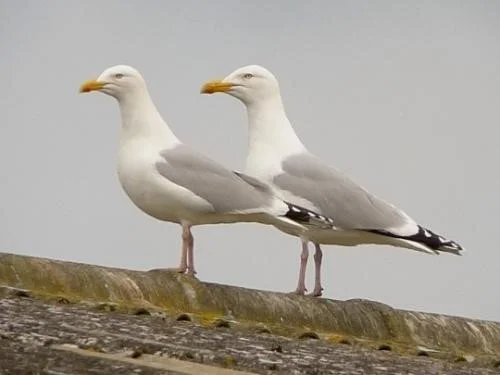
The different types of gulls
Yellow-legged and herring gulls
Yellow-legged gulls (Larus michahellis) and herring gulls (Larus argentatus) look similar at first glance; in fact, the yellow-legged gull was previously considered a subspecies of the herring gull. The yellow-legged gull is mainly found in the Mediterranean basin, while the herring gull is primarily found along the Atlantic coast and the English Channel. Both species have light gray backs, but herring gulls are often bulkier and less noisy than yellow-legged gulls. However, the decisive criteria for identifying them remain their legs and beaks: yellow for the yellow-legged gull, and pink or even gray for the herring gull's legs, with the latter also having a yellow beak with a red spot.

Great black-backed gulls
The great black-backed gull (Larus marinus) is the largest gull in the world, reaching a wingspan of 1.70 m and weighing up to 2.3 kg. It is recognizable by its black back, pink legs, and large yellow beak with a red spot, similar to the herring gull. It lives in the same regions of France as the herring gull, along the Atlantic coast and the English Channel, often on cliffs, beaches, or in ports. The great black-backed gull is a feared predator in some colonies, as it feeds on fish and waste, as well as the eggs of other birds.

Lesser black-backed gulls
The lesser black-backed gull is a medium-sized bird, more slender and with a darker back than the herring gull, to which it is not as closely related as previously thought. Its plumage contrasts sharply with the rest of its body, making it quite easy to spot. It has yellow legs and a yellow beak with a red spot. It is a migratory bird found in northern Europe and the tundra, migrating south for the winter. In France, it is primarily found along the Atlantic coast and the English Channel. Less urbanized than the yellow-legged gull, for example, it often nests on coasts or islands.
Damage and nuisance caused by gulls
Gulls, particularly yellow-legged and herring gulls, are increasingly present in urban areas and coastal cities in France. Their adaptation to the urban environment leads to numerous nuisances and damage that impact the quality of life for residents and degrade buildings.
Noise and sound pollution
During the breeding season (spring and summer), the loud, repetitive cries of gulls cause significant noise pollution and can seriously disturb residents and tourists. This also applies to newly hatched chicks remaining in rooftop nests. The noise can start very early in the morning, disrupting residents' sleep. When chicks are present, the cries continue all day from dawn and are so shrill that they are often unbearable for citizens who have a nest on their roof.
Droppings and soiling
Gull droppings are highly acidic. In the short term, this damages building facades and public infrastructure (benches, parks, squares, statues, etc.), and in the long term, it represents a cost to the community. They cause hygiene issues around nesting sites, as well as on sidewalks due to gulls scavenging through trash and garbage bags. In doing so, they contribute to the proliferation of other pests, such as rats.
Aggressiveness
Gulls are birds that do not fear humans and can even become aggressive. During the nesting season, they can be very defensive if they perceive a threat to their chicks. They do not hesitate to attack passersby, sometimes causing significant injuries, which can pose a real risk near schools, for example. Outside of the nesting season, caution is still required, as some gulls may seek food by raiding restaurant terraces, market stalls, or even snatching items directly from people's hands without hesitation. This can sometimes cause injuries, as their hooked claws can inflict damage. There are also a significant number of reports of gulls kidnapping cats and small dogs, drowning them at sea, and then eating them.
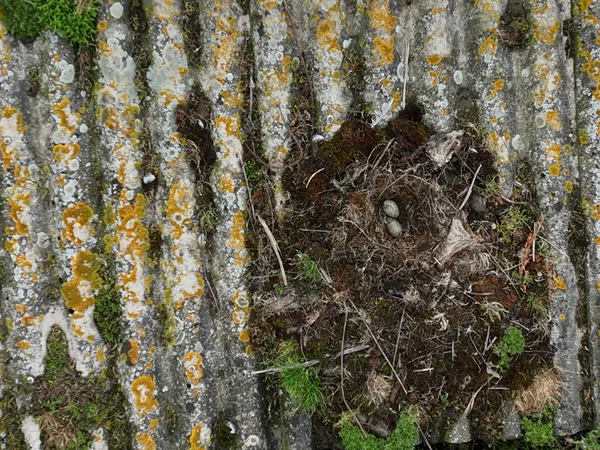
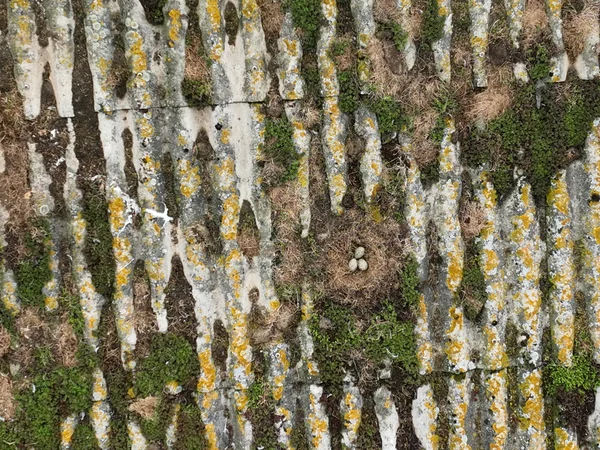
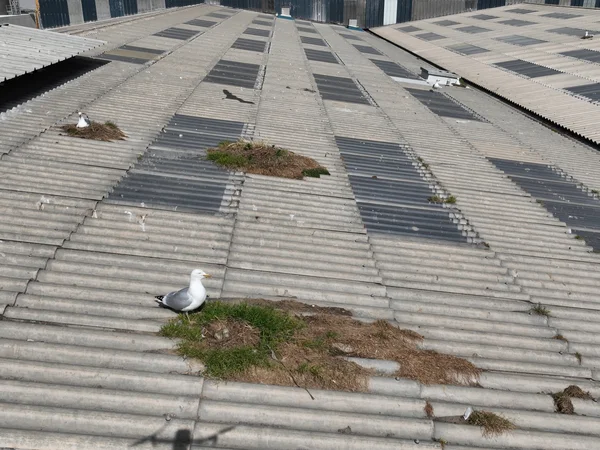
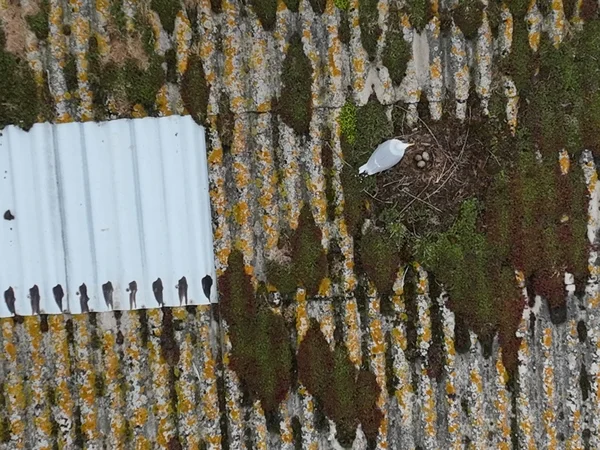
Examples of gull nests and eggs
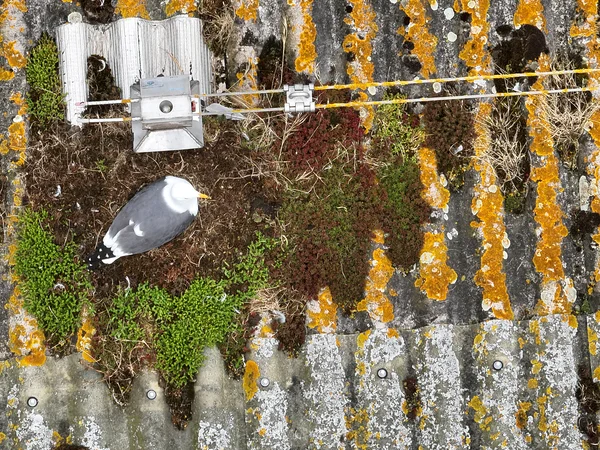
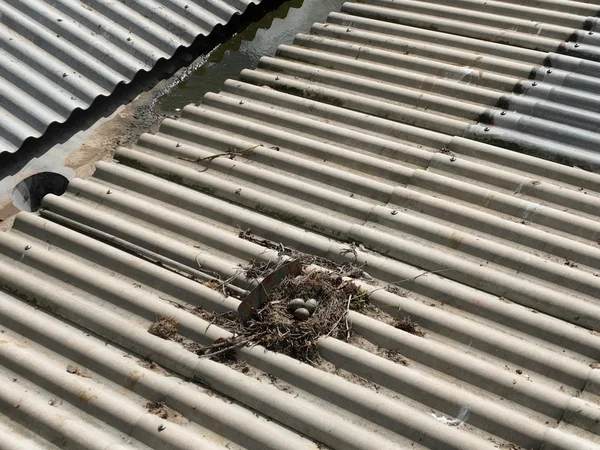


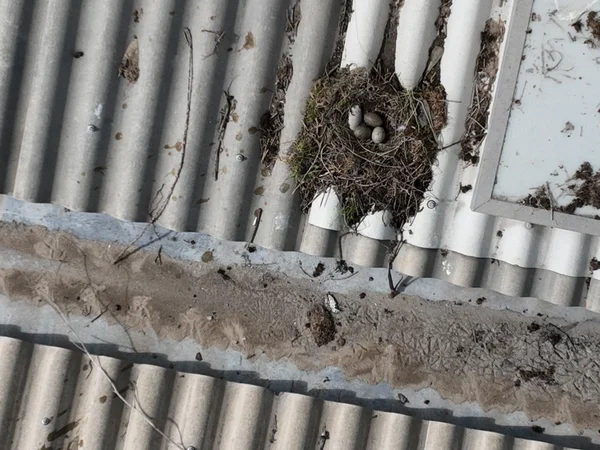





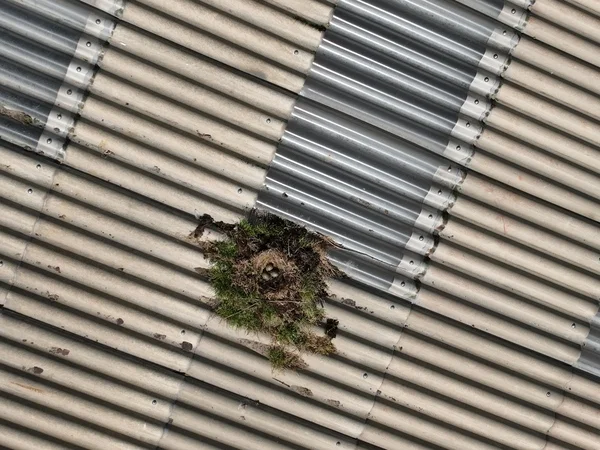

Gull population trends
Gulls are classified as a "protected species," but since the mid-20th century, their population has increased significantly. For example, in Marseille, numbers rose from a few hundred in 1960 to 23,000 pairs in the 21st century. This phenomenon is due to several factors: a lack of predators, an abundance of food and waste, and the heat caused by climate change, which encourages nesting on rooftops. In some cities like Nice, the number of nesting gulls increased tenfold between 1985 and 2015. Although growth has slowed in recent years, the trend remains upward, particularly in ports and urban areas like city centers. In Saint-Malo, for instance, over 800 nests were counted in 2022, compared to 600 in 2015. These figures illustrate the urbanization of the species, which is increasingly settling in cities at the expense of natural areas.
Learn more about our drone solution and services
The gull is a species that must continue to be protected, but whose population needs to be controlled, particularly in urban areas where it causes significant nuisance. It is in this context that we have developed a drone-based sterilization solution, which allows for rapid, safe, and low-cost sterilization wherever accessible. The drone also enables more targeted population control in urban areas (without altering their natural habits). We now provide follow-up with geolocated photos, mapped on a web app, showing the evolution of nesting and population trends year over year, as well as the progress of sterilization campaigns. We have been carrying out these missions in several cities for years, such as Cannes, Saint-Malo, and Dinard.
In addition, we regularly perform drone-based bird scaring for certain clients, and occasionally remove empty nests using drones.
Our solutions are cost-effective, efficient, and safe.
Our drone experts' credentials




















Switch to precision ecology
Contact us to discuss your needs.
Our technical team is available to analyze your situation and provide an initial assessment.
